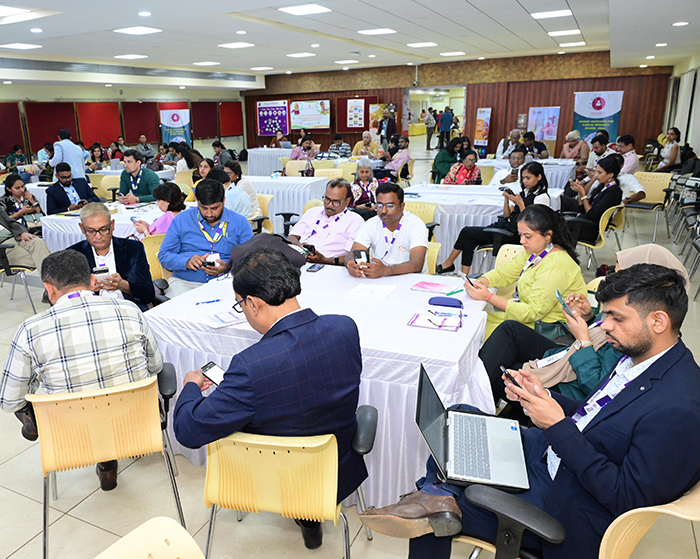
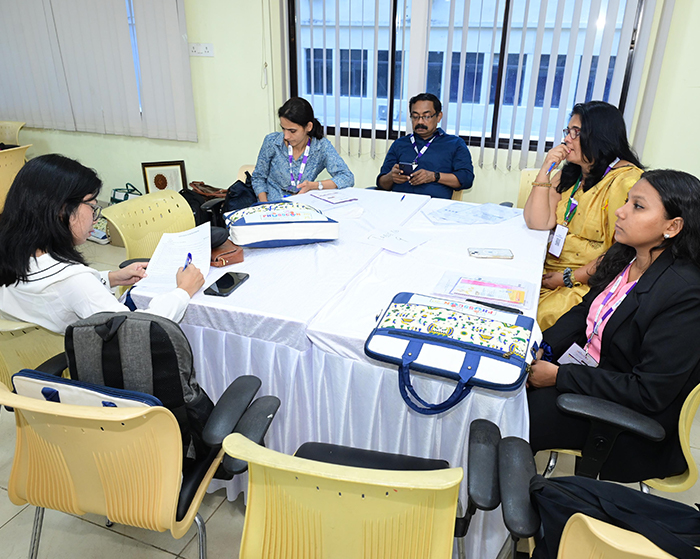
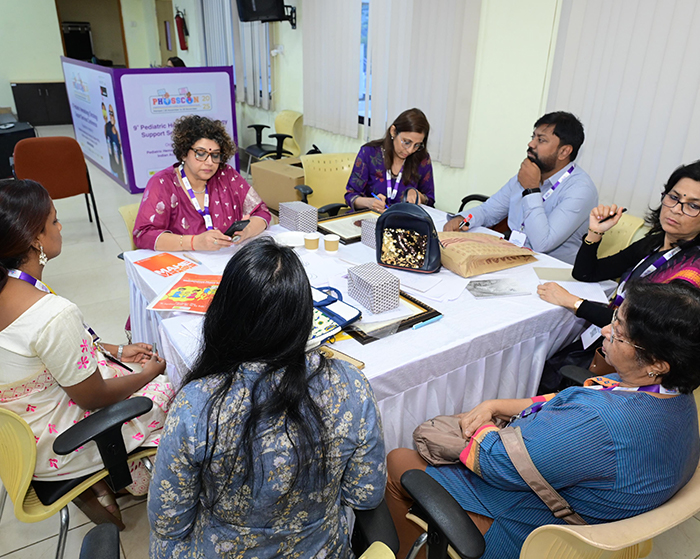
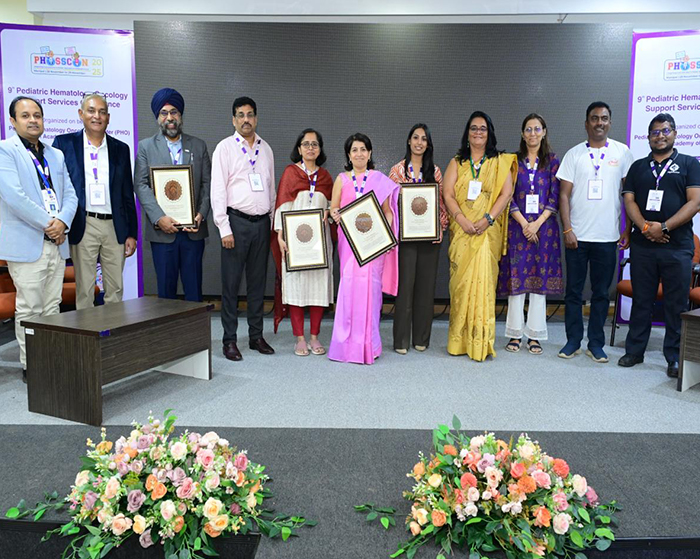
At INPHOG, we believe that the children living with childhood cancer should help shape the research that affects them. Through India's first Priority Setting for childhood cancer, we are bringing together children with cancer, survivors, parents, caregivers, and healthcare professionals to identify the most important unanswered questions in childhood cancer care.
By systematically gathering and prioritising perspectives from those directly affected by childhood cancer, we aim to build a patient-centred research agenda that addresses real-world challenges in diagnosis, treatment, supportive care, survivorship, access to care, and quality of life. The priorities identified through this process will guide future research investments, influence policy and funding decisions, and ensure that research in India is aligned with the needs of children and their families.
Create India's first patient-driven childhood cancer research agenda by :
| S. No. | TOP 20 Questions |
|---|---|
| 1 | How do we improve early recognition, referral, and diagnosis of children with cancer in India? |
| 2 | How can we make sure that primary care physicians know about the symptoms and signs of cancer in children and refer them appropriately? |
| 3 | How can we make sure children with cancer get the best possible treatment, regardless of their gender, their community, or where they live? |
| 4 | How can we make sure parents know about the symptoms and signs of cancer in children and know where to go when they are worried? |
| 5 | How can we best prevent and manage long-term physical and mental effects of treatment in children who survive cancer? |
| 6 | How can we prevent medication errors in the treatment of children with cancer? |
| 7 | What are the best ways to help children with cancer and their families get the right information, understand it, and make correct decisions regarding their diagnosis, treatment, and follow-up? |
| 8 | Why do some children with cancer relapse? How can it be prevented, and what are the best ways to identify relapse earlier? |
| 9 | How can we support healthcare professionals in deciding when to stop active treatment and focus on giving comfort to a child with cancer who cannot be cured? |
| 10 | What are the best ways to make sure children with cancer get all the supportive care services they need? (Supportive care covers the physical, social, educational, and mental aspects of cancer and its treatment) |
| 11 | How can we reduce the out-of-pocket expenditure of children with cancer and their families? |
| 12 | How does the treatment of cancer affect the ability of a child to learn, and what are the best ways to help them continue with their education during treatment and return to school after treatment? |
| 13 | What interventions can decrease refusal and abandonment of treatment? |
| 14 | What causes cancer in children, and can we prevent it? |
| 15 | How can we help childhood cancer survivors return to normal life, including finishing school, getting jobs, having health insurance, and finding a life partner? |
| 16 | How can we speed up the development of and access to newer and safer treatments, including precision and targeted therapies, for childhood cancers in India? |
| 17 | Can we find treatments for children with cancer, including relapsed cancer, that are more effective and easier to tolerate with fewer short- and long-term side effects? |
| 18 | What is the best way to track, monitor, and provide follow-up care for survivors of childhood cancer, and how can we make them available across India? |
| 19 | How does cancer and its treatment affect the mental health, feelings, and social life of children with cancer as well as their families, both during treatment and later? |
| 20 | Are generic medicines (chemotherapy and supportive care medicines) as effective and of good quality as the original branded medicines? |
 Donate Now